
Metabolic Health / GLP-1
Metabolic Health / GLP-1 Treatment in Westhampton Beach & East Patchogue, NY
Metabolic Health / GLP-1 care at L.I. Skin Clinic & Cosmetics is a medically supervised program for adults who want to lose weight, improve blood sugar control, and address the hormonal signals that drive hunger and fat storage. GLP-1 medications such as semaglutide and tirzepatide work with your body's appetite and insulin pathways. That makes them different from crash diets or stimulant-based pills. Patients at our Westhampton Beach and East Patchogue locations start with a full medical evaluation, then follow a structured GLP-1 plan with dose adjustments, check-ins, and guidance on nutrition and muscle preservation. Each part of the plan is built around your health history, your lab results, and your goals.
Book Your Metabolic Health / GLP-1 Consultation in Westhampton Beach or East Patchogue Today
What Metabolic Health / GLP-1 Treatment Involves
Metabolic health describes how well your body processes energy. That includes how it regulates blood sugar, stores and burns fat, manages cholesterol and triglycerides, and controls blood pressure. When these systems drift out of balance, weight gain often follows, especially around the abdomen, along with fatigue, cravings, and a higher risk of type 2 diabetes and heart disease. A Metabolic Health / GLP-1 program targets these underlying drivers rather than treating weight as a willpower problem.
The Role of GLP-1 in the Body
GLP-1, or glucagon-like peptide-1, is a hormone your gut releases after you eat. It signals the pancreas to release insulin when blood sugar rises, slows the rate at which the stomach empties, and tells the brain that you are full. Many people with excess weight or insulin resistance have a blunted GLP-1 response, which leads to stronger hunger and weaker fullness signals.
How Medication Fits Into Metabolic Health
GLP-1 receptor agonists are prescription medications that mimic this natural hormone and last much longer in the body. Some newer options, such as tirzepatide, also act on a second hormone called GIP. In a Metabolic Health / GLP-1 program, medication is one part of a broader plan that also covers protein intake, hydration, strength training, and sleep.
How GLP-1 Medications Support Weight Loss and Blood Sugar Control
GLP-1 therapy works through several mechanisms at the same time, which is why results tend to be more consistent than with diet changes alone.
Appetite and Food Noise
Many patients describe a noticeable drop in "food noise," the constant background thoughts about eating. Smaller portions feel satisfying, and evening snacking often becomes easier to manage.
Slower Digestion
By slowing gastric emptying, GLP-1 medications keep food in the stomach longer. This extends fullness after meals and reduces sharp blood sugar spikes.
Insulin Sensitivity and Glucose Regulation
GLP-1 activity helps the pancreas release insulin in response to meals while reducing excess glucose released by the liver. For patients with prediabetes or insulin resistance, this can improve A1C and fasting glucose numbers over time.
Cardiometabolic Markers
As weight comes down, many patients also see improvements in blood pressure, triglycerides, and waist circumference. Our Metabolic Health / GLP-1 program tracks these markers so you can see progress beyond the scale.
Who Is a Candidate for Metabolic Health / GLP-1 Therapy
Not everyone is a good fit for GLP-1 medication, and a careful screening is the most important step in the process.
General Eligibility Guidelines
GLP-1 weight management is typically considered for adults with a BMI of 30 or higher, or a BMI of 27 or higher with a weight-related condition such as high blood pressure, prediabetes, high cholesterol, or sleep apnea. Your provider will also consider your weight history, previous attempts at weight loss, and current medications.
Conditions That May Rule Out Treatment
GLP-1 medications are not appropriate for people with a personal or family history of medullary thyroid carcinoma or Multiple Endocrine Neoplasia syndrome type 2 (MEN2). They are also not used during pregnancy or while trying to conceive. A history of pancreatitis, gallbladder disease, severe gastrointestinal conditions, or certain kidney problems requires extra review before a Metabolic Health / GLP-1 plan can begin.
Patients Who Benefit Most
Patients who see the best outcomes are usually those ready to pair medication with steady changes in eating patterns and activity. GLP-1 treatment makes these changes easier to sustain, but it works best as part of a longer-term plan.
Schedule Your Metabolic Health / GLP-1 Evaluation at L.I. Skin Clinic & Cosmetics
The Metabolic Health / GLP-1 Treatment Process at Our Clinic
Patients at our Westhampton Beach and East Patchogue offices follow a clear, step-by-step GLP-1 pathway.
Initial Consultation and Health Review
Your first visit covers your medical history, current medications, weight history, and goals. We take baseline measurements, including weight, blood pressure, and body composition where available.
Lab Work
Baseline labs typically include a metabolic panel, A1C, lipid panel, and thyroid function. These results confirm whether Metabolic Health / GLP-1 therapy is safe for you and give us a starting point to measure progress.
Starting Dose and Titration
GLP-1 medications start at a low dose and increase gradually over several weeks. This slow titration gives your digestive system time to adjust and greatly reduces side effects.
Follow-Up Visits
Regular check-ins let your provider adjust your dose, review side effects, track weight and measurements, and update your nutrition guidance. Ongoing monitoring is what separates a supervised Metabolic Health / GLP-1 program from simply obtaining a prescription.
Managing Side Effects and Protecting Long-Term Results
Understanding what to expect makes GLP-1 treatment smoother and more successful.
Common Side Effects
The most frequent side effects are nausea, constipation, diarrhea, bloating, and reduced appetite, usually strongest in the first weeks and after dose increases. Eating smaller meals, slowing down at the table, limiting greasy foods, and staying well hydrated help most patients manage these symptoms.
Preserving Muscle Mass
Rapid weight loss can include loss of lean muscle. Your Metabolic Health / GLP-1 plan emphasizes adequate protein at each meal and regular resistance training to protect strength and metabolic rate.
Planning for Maintenance
Research shows that weight often returns when GLP-1 medication is stopped abruptly without a plan. Your provider will discuss maintenance options, which may include a lower ongoing dose or a gradual taper paired with established habits.
Call L.I. Skin Clinic & Cosmetics to Start Your Metabolic Health / GLP-1 Program in Westhampton Beach or East Patchogue
Metabolic Health / GLP-1 Frequently Asked Questions
What is a GLP-1 medication?
A GLP-1 medication is a prescription drug that mimics glucagon-like peptide-1, a natural gut hormone that regulates appetite, insulin release, and digestion. Common examples include semaglutide and tirzepatide, which are used for weight management and blood sugar control under medical supervision.
How much weight can I lose with GLP-1 treatment?
In clinical trials, adults using semaglutide lost an average of about 15 percent of body weight over roughly 68 weeks, and tirzepatide trials showed average losses near 20 percent. Individual results vary based on dose, consistency, diet, activity, and underlying metabolic health.
How quickly does GLP-1 therapy start working?
Most patients notice reduced appetite within the first one to two weeks. Steady weight loss usually becomes visible over the first one to three months as the dose is gradually increased.
Is GLP-1 treatment given as a shot?
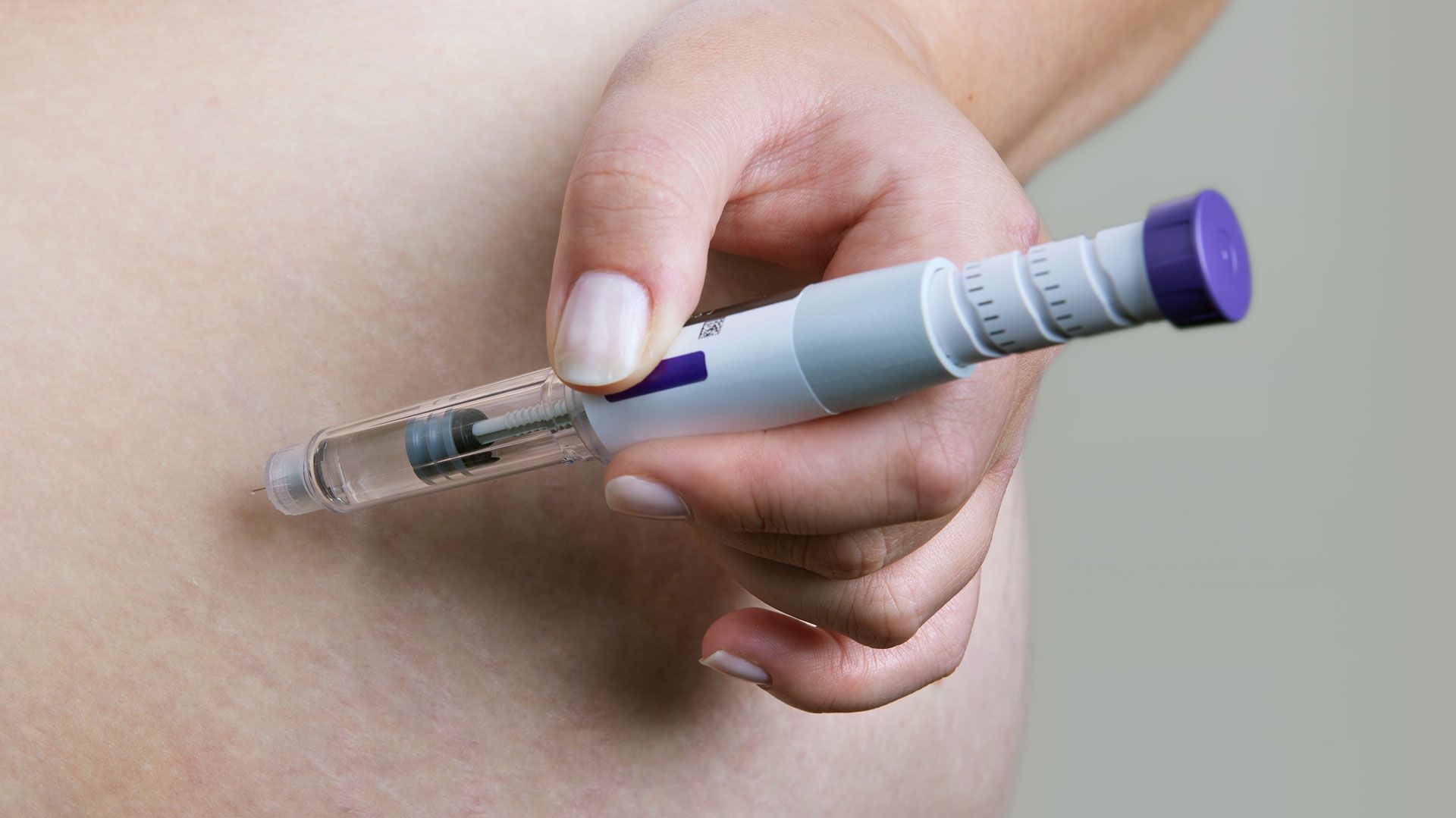
Most GLP-1 medications used for weight management are once-weekly injections given just under the skin with a very fine needle. Your provider will show you how to self-administer the injection at your first visit.
Who should not take GLP-1 medications?
People with a personal or family history of medullary thyroid carcinoma or MEN2, those who are pregnant or planning pregnancy, and anyone with certain pancreatic, gallbladder, or kidney conditions may not be candidates. A full medical evaluation determines whether Metabolic Health / GLP-1 therapy is safe for you.
What are the most common side effects of GLP-1 medications?
The most common side effects are nausea, constipation, diarrhea, bloating, and fatigue. These are usually mild to moderate and tend to ease as the body adjusts, especially when the dose is increased slowly.
Do I need lab work before starting a Metabolic Health / GLP-1 program?
Yes. Baseline lab work, including blood sugar, A1C, cholesterol, kidney function, and thyroid markers, confirms that treatment is appropriate and provides a reference point for tracking your metabolic health improvements.
Can GLP-1 therapy help with prediabetes or insulin resistance?
GLP-1 medications improve insulin response and lower blood sugar levels, which can help many people with prediabetes or insulin resistance move their numbers toward a healthier range. Your provider will monitor A1C and fasting glucose throughout treatment.
Will I lose muscle on GLP-1 medication?
Some lean muscle loss can occur with any significant weight loss. Eating enough protein and doing regular strength training helps preserve muscle, which is why both are built into a supervised Metabolic Health / GLP-1 plan.
What happens when I stop taking a GLP-1 medication?
Appetite often returns when GLP-1 medication is stopped, and some weight regain is common without a maintenance plan. Tapering under supervision and keeping established nutrition and exercise habits gives you the best chance of maintaining results.
How long do patients stay on GLP-1 treatment?
Many patients stay on active treatment for six months to a year or longer, depending on their goals and progress. Metabolic health is managed long term, so your provider will build a maintenance plan once you reach your target.
Can I drink alcohol while on GLP-1 medication?
Alcohol can worsen nausea, affect blood sugar, and add calories that slow progress. Most providers recommend limiting alcohol during GLP-1 treatment, especially in the early weeks and after dose increases.